Picture this: It's 6 PM, you're finally home from a long day at the office, kids are clamoring for dinner, and the last thing on your mind is exercise. Sound familiar? Many of us juggle packed schedules like that—work deadlines, family routines, and that nagging feeling of low energy holding us back. But what if just 10 minutes of walking could shift everything?
I remember my friend Sarah, a mom of two with a full-time job. She felt stuck in a rut, always tired but knowing movement would help. She started sneaking in short walks, and soon her mood lifted, energy returned, and even her family noticed the change. It's approachable because it's small—no gym memberships or hours required.
Those 10 minutes can boost your energy, clear your head, ease stress, and fit right into everyday life. Ever notice how a quick stroll outside makes worries feel lighter? You're not alone in wanting more pep without overhauling your day. Let's find your way together, one step at a time.
If This Sounds Like You
You're not alone—many people feel the pull of busy days making self-care tough. It's okay if life feels packed right now. Here are a few signs this is for you:
- Rushing from work meetings to family dinners with zero time left for yourself, yet craving a simple energy boost.
- Feeling low energy most afternoons but knowing a bit of movement helps, though gym sessions seem impossible.
- Your days blend into long stretches of sitting—at a desk, in the car, or on the couch—leaving you stiff and foggy.
- Wishing for better sleep or less stress, but starting small feels like the only realistic option amid family chaos.
If any of that rings true, take heart. Many folks just like you have turned it around with tiny changes. Walking 10 minutes is that gentle entry point.
Why Just 10 Minutes Can Change Your Day
Let me share a quick story from my own life. A couple years back, I was grinding through 12-hour workdays plus coaching my kid's soccer team. I started with 10-minute walks after dinner, and it was a game-changer—my focus sharpened, sleep improved, and I handled family stress better.
It's not magic, but short walks spark real shifts. They get blood flowing for an energy lift without exhaustion. Stress melts away as you breathe fresh air, and often, ideas pop up that sitting never brings. Ever notice how a short walk clears your head after a tough call?
Think about pairing that clarity with better fueling—like exploring the Weekly Veggie Boost Meal Prep Plan afterward for sustained pep through the week. Many people report better moods right away, plus stronger immunity over time. No need for marathons; consistency in small doses builds big wins.
Gentle encouragement here: If you're skeptical, that's normal. Start today, and you'll likely feel it by evening. Your body thanks you with more vitality for work, family, and fun.
Try This First: The Easiest Walk to Sneak In
Many people find success by starting with the lowest barrier: a post-dinner stroll. It's when energy dips but digestion perks up, making movement feel natural. No special gear needed—just slip on comfy shoes and step out.
Here's your quick-win guide:
- Finish eating, wait 10 minutes if bloated.
- Grab a family member or go solo for 5 minutes out, 5 back.
- Keep it slow; chat or listen to birds—no rush.
This slots right in without disrupting routines. One dad I know did it while his kids biked ahead—turned chore time into bonding. If evenings don't work, swap for lunch break laps around the block.
Pro tip: Notice how it eases that full feeling? Combine with tips from How to Eat Slower for Better Digestion beforehand for even smoother days. You'll wonder why you didn't start sooner. Many say it becomes their favorite reset.
Your Simple 5-Step Plan to Make Walking a Habit
Building a habit doesn't need complexity. This 5-step plan is straightforward, with real-life tweaks for busy schedules. Follow it loosely at first—perfection isn't the goal.
- Pick your golden slot. Scan your day for a consistent 10-minute window, like mid-morning coffee break or pre-bed wind-down. A working mom chose her commute wait time; now it's automatic. Pro tip: Tie it to an existing habit, like after brushing teeth.
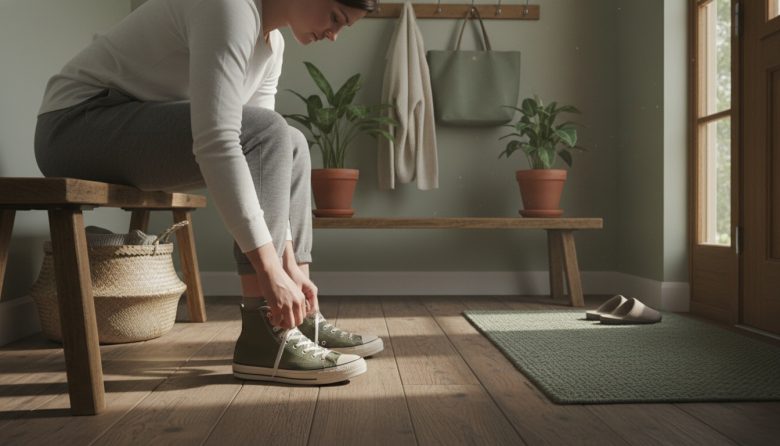
- Prep your shoes (and mindset). Keep sneakers by the door or desk—no excuses. My neighbor preps a playlist too, turning prep into excitement. Inclusive note: It's okay if motivation wanes; visible cues bridge the gap.
- Set a gentle reminder. Use your phone's alarm with a fun label like "Fresh air boost!" One office worker set it for lunch; soon, colleagues joined. Keep it kind—no nagging tones that stress you out.
- Track your feel-good moments. Jot one note post-walk: "Felt calmer" or "Ideas flowed." Sarah from earlier reviewed hers weekly—motivation soared. Many people discover patterns, like walks crushing afternoon slumps.
- Celebrate small wins. High-five yourself or share with a friend after three days straight. A dad rewarded with his favorite podcast episode. This wires your brain for more—consistency grows from joy, not force.
Stick to these, and in a week, it'll feel natural. Adjust as family or work shifts; flexibility keeps it sustainable.
Make It Your Own: Fun Twists for Your Walks
Once basics click, add flair to keep it fresh. It's okay if brisk paces aren't your vibe yet—slow and steady counts big. Tailor to your life for lasting joy.
- Podcast power-walk: Pop in earbuds for stories or laughs—turns solo time into me-time. Many busy parents love this during school drop-offs.
- Family stroll: Invite kids or partner; chat flows naturally. One family made it game night with "spot the dog" challenges.
- Nature nudge: Seek a park path or tree-lined street. Even urban dwellers find green pockets that recharge.
- Pace play: Alternate slow-fast bursts or add arm swings. Link it to your Morning Hydration and Stretch Routine Starter for full-day flow.
Experiment weekly—what lights you up? These twists prevent boredom, weaving walks into your unique rhythm.
Real Stories: How Everyday Folks Made It Happen
Nothing inspires like real wins from people like you. Take Mike, a desk-bound dad. He added 10 minutes post-lunch; energy for evening kid chaos returned. "Work felt lighter," he shared.
Then Lisa, juggling remote work and homeschooling. Her after-dinner laps cleared mom-brain fog. Family joined, strengthening bonds amid chaos. Consistency shone through low-energy days.
And Tom, post-injury returnee. Hallway paces built to block walks—mood and mobility up. These stories highlight no-fluff truth: Small steps conquer big hurdles like family demands or job stress.
You're next. Their encouragement? Start messy; refine later. Quick wins stack up fast.
Sticking With It When Life Gets Busy
Life throws curveballs—sick kids, late meetings. Many people miss days; it's normal. Jump back kindly, no guilt.
On low-energy evenings, shorten to 5 minutes or pace indoors. Pair with hydration tricks for quick revival. Track streaks loosely; progress over perfection.
Gentle tips: Buddy up via text check-ins, or visualize post-walk calm. You've got this—consistency amid chaos builds resilience.
What's one spot in your day for those 10 minutes? Share in the comments and tag a friend to join—let's cheer each other on.
Frequently Asked Questions
I'm already so tired after work—will this make it worse?
No, short walks often do the opposite—they boost energy by getting oxygen flowing without draining you. Start super slow, maybe just around the block, and notice how your second wind arrives. Many folks report feeling more awake afterward, especially if paired with deep breaths.
What if I live somewhere without nice places to walk?
Any steps count—pace your hallway, living room, or even park in place during TV ads. One apartment dweller marched in circles to music; it added up joyfully. Outdoors will come later; indoor movement still lifts mood and circulation.
Can I do it all at once or split it up?
Either way works great—many split into two 5-minute bursts, like morning and evening, for steady wins. A full 10 feels immersive for head-clearing. Experiment; your body's feedback guides the best fit.
How soon will I notice a difference?
Often right away—a mood lift or clearer thinking post-walk. Bigger shifts like sustained energy build in days with consistency. Track those "aha" moments; they'll motivate you forward.
What if I forget some days?
It's okay—habits aren't about perfection, just kind returns. Gentle reminders like visible shoes help. Most people find rhythm after a few slips; celebrate getting back, not the gap.