Hey there, friend. Picture this: my mornings used to start with coffee at the kitchen table, then zoom straight into emails at my desk, only to find the day slipping away with barely a step in between. Evenings? They'd blur into scrolling on the couch until bedtime, leaving me feeling stiff and blah. You're not alone if that's your rhythm too—many of us spend around 9 to 10 hours a day sitting, according to gentle reminders from health chats.
That glued-to-the-seat time adds up, quietly tugging at our energy and mood without us noticing. But here's the good news: you don't need gym memberships, fancy trackers, or massive overhauls. Just a few natural tweaks woven into your everyday flow can help you move more, feel lighter, and reclaim some pep.
Think standing during calls or parking a bit farther—small shifts that fit busy lives like yours. No pressure, just friendly nudges toward feeling better. Ready to feel lighter without even trying?
If This Sounds Like You
Your workday melts into dinner prep without a single stretch.
Binge-watching is your go-to wind-down, but it leaves you stiff and restless.
You're not alone—many of us glue to screens from dawn to dusk, especially on low-energy days.
It's okay if family routines or remote work keep you planted longer than you'd like.
Try This First: The One-Hour Stand-Up Habit
Let's start super simple, because easing in feels best. Set a gentle phone reminder to stand up every hour for just two minutes. Shift your weight side to side, roll your shoulders, and maybe peek out the window—nothing fancy.
I started this during long writing sessions at home. Instead of slumping, those quick pauses turned my coffee chats with a friend into short backyard walks. Suddenly, my back felt looser, and the afternoon drag lifted.
Anyone can do it, whether at a desk or kitchen table. No equipment needed. Try it tomorrow morning—what's one hour you can claim first?
Once that clicks, you'll notice how it sparks more movement naturally. It's like giving your body permission to reset without overthinking.
Blend Movement into Your Work-from-Anywhere Routine
Work stress hits hard when you're parked in one spot, right? Pace during phone calls if you're not on video—your voice carries just fine while walking room to room. Or try standing meetings with your laptop on a shelf.
Take desk-to-kitchen laps for water or a quick snack. I do this between tasks, and it breaks the stare-at-screen trance. Your focus sharpens too, without the mid-afternoon slump.
For remote days, stack calls back-to-back while standing at a counter. It flows into your routine effortlessly. Many folks find their energy holds steady longer this way.
Transitioning smoothly, these habits pair well with building a full daily flow. Let's look at four simple steps to weave it all together.
Four Steps to Reduce Sitting Naturally
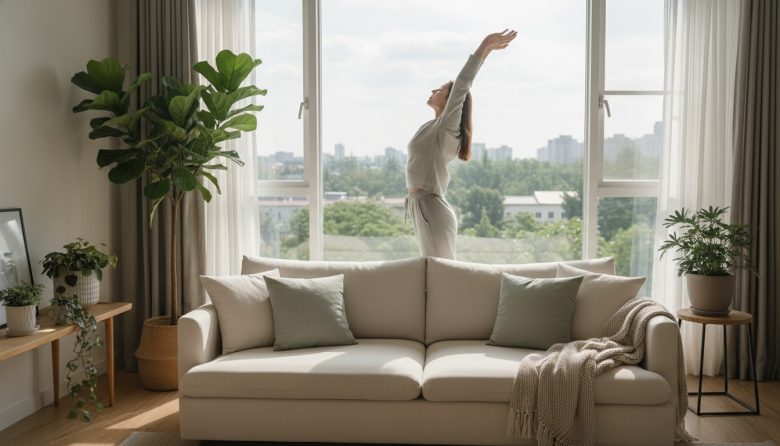
- Anchor your day with a morning move ritual. Right after waking, do a 5-minute stretch or walk to your coffee spot slowly. It sets an upright tone before emails take over. I sip my first cup standing by the window—feels fresh every time.
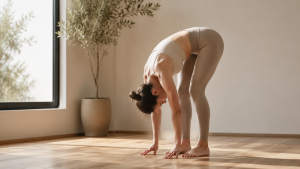
- Interrupt desk marathons with micro-breaks. Every 30 minutes, stand and touch your toes or march in place. Keep a timer soft, like birdsong sounds. This keeps blood flowing without derailing your groove.
- Rethink screen time with active alternatives. During shows, fold laundry or do gentle knee lifts. Pair it with a how to choose whole grains over refined ones snack to fuel the light moves. Evenings transform from couch sinks to feel-good rituals.
- End evenings on an upright note. Brush teeth standing tall, then try a simple evening wind-down routine for sleep with wall leans. It eases you into rest without the stiff wake-up.
These steps build on each other gently. Pick one to layer in weekly, and watch sitting time shrink naturally.
Turn Everyday Errands into Sneaky Movement Wins
Errands don't have to mean more sitting—flip them into easy wins. Park a few spots farther from the store entrance, or walk the long way around the lot. Those extra steps add up without feeling like work.
Take stairs over elevators when you can, even just one flight. Chat with neighbors on foot instead of texting. On family grocery runs, let kids lead a slow exploration of aisles—it turns rushing into strolling.
For low-energy days, it's okay to start small, like stepping out for mail. I weave in how to cycle short trips instead of driving for nearby picks, and it boosts my mood instantly. You're building wins into what you already do.
This mindset spills over to home life too. Next up, tweak your space for even more nudges.
Reshape Your Space to Nudge You Off the Couch
Your surroundings whisper habits—make them work for you. Place your phone charger across the room so you stand to grab it. Keep your favorite mug or water bottle on a high shelf, inviting a reach and stretch.
Add a comfy standing mat by your desk or kitchen counter—soft ones feel like a hug for your feet. I moved my reading chair to a spot that encourages pacing pages. Little changes, big shifts.
For evenings, stash remotes in drawers, prompting you to stand and fetch. It's gentle psychology—no willpower battles. Many find they move 20% more without trying.
These setups support personal tweaks too. Let's explore how to customize for your world.
Make It Your Own: Mix and Match for Your Life
Tailor these to what fits your energy and days. Parents, turn playtime into chase games or backyard tag—no sitting during kid giggles. Remote workers, host virtual walk meetings where everyone paces together.
Night owls, add bedside stretches or stand while brushing for that upright close. Low-energy folks, focus on seated-to-stand transitions first. Tweak for what lights you up.
Combine with meal prep walks or pet strolls if that's your vibe. It's okay if some days are lighter—consistency grows from joy, not force. You've got this rhythm uniquely yours.
These options make movement feel like you, not a chore.
What's one spot you'll stand more tomorrow? Share in the comments—we're in this together. Try the one-hour habit today and notice the difference!
Frequently Asked Questions
How much sitting is too much each day?
Many health chats suggest aiming for under 6 to 8 hours total, including work and evenings. It's not about perfection—every stand-up counts. Track loosely at first to see your baseline, then nudge it down gently.
What if I have a job that requires sitting?
You're not alone; desk jobs are common. Build in those hourly stands, pace on breaks, and use a standing desk converter if possible. Small shifts like keyboard trays help without upending your setup.
Will these tips help with back pain from sitting?
Absolutely, many notice relief from regular micro-breaks and posture shifts. Standing more eases pressure on your spine naturally. Pair with shoulder rolls—listen to your body and ease in.
Can I do this if I'm new to moving more?
Yes, start with just the one-hour habit—it's made for beginners. No rush; celebrate tiny wins like one extra stand-up. Your body adapts kindly over time.
How do I stay motivated long-term?
Link it to how you feel—more energy for hobbies or better sleep. Buddy up with a friend for check-ins, or note daily wins in a journal. Gentle reminders keep the spark alive without burnout.