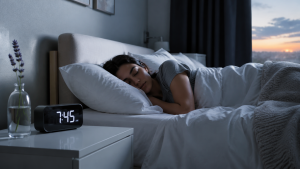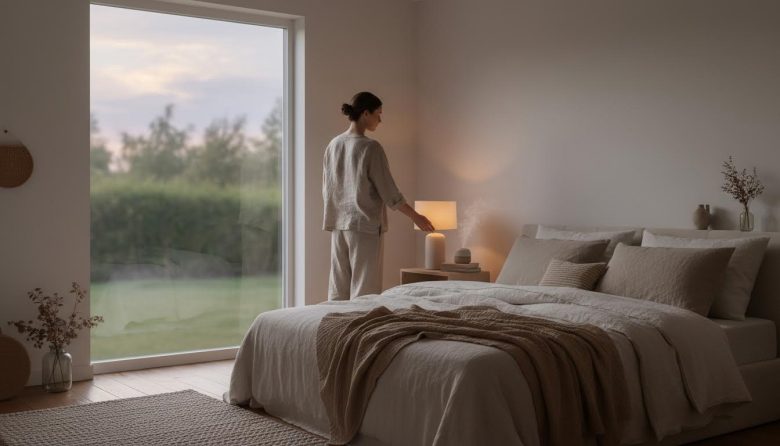
Picture this: it's 9 p.m., you're finally done with dinner and emails, but you're curled up on the couch with your phone glowing bright in your face. The overhead lights buzz overhead, and before you know it, it's midnight with no sign of sleep coming easy. We've all been there, haven't we? Dimming lights early is like giving your body a gentle nudge toward sunset, even on the busiest nights. It helps your natural melatonin kick in, leading to deeper, more restorative rest without fancy gadgets or big changes.
Your evenings don't have to feel like a battle against wakefulness. Small shifts in lighting can mimic nature's wind-down, signaling it's time to relax. Stick with me, and I'll share easy ways to make your nights cozier and your mornings brighter.
Why Your Evenings Are Secretly Sabotaging Your Sleep
Bright lights, especially the blue kind from screens and LEDs, trick your brain into thinking it's still daytime. This messes with melatonin, that sleepy hormone we all need. I remember nights binge-watching shows under the living room lamp, only to stare at the ceiling until 2 a.m., feeling wiped out the next day.
It's not just you—many of us unwind with tech or harsh bulbs without realizing the toll. Softening your light exposure a couple hours before bed lets your body ease into rest mode naturally. The result? Falling asleep faster and waking up refreshed, even on low-energy weeknights.
Science backs it gently: studies show dim, warm light supports better sleep cycles. No need for perfect conditions—just a few tweaks make a real difference in how rested you feel.
If This Sounds Like You, You're in Good Company
You're tossing and turning at 2 a.m., even after being in bed for hours. Mornings hit hard with that foggy grogginess, no matter how much coffee you drink.
You rely on your phone or TV to unwind after a full day, but it leaves you wired instead of tired. Family routines stretch late, with kitchen lights blazing during homework or chats.
It's okay if weekends feel just as rough, sneaking extra screen time without thinking. You're not alone—tons of us juggle this, and simple light shifts can change everything.
Try This First: One Tiny Tweak for Tonight
Start super simple: two hours before your usual bedtime, turn off one overhead light and switch to a soft lamp instead. Pick a warm bulb if you can—think 2700K or softer glow, like a candle's friend.
Why it works? It cuts that harsh overhead glare right away, easing your eyes and brain into evening mode. I did this my first night after a rough week, and surprisingly, I was yawning by 10:30.
Sit by the lamp for reading or chatting, keeping the rest of the room dimmer. Notice how your shoulders relax? That's your body thanking you. Give it a go tonight—no pressure, just one swap.
Your Step-by-Step Dim-Down Routine
Ready to build on that first tweak? Here's a gentle 4-step plan to dim your whole evening naturally. Take it at your pace, one step per night if needed.
-
Step 1: Map your light hotspots. Walk through your evening spaces—kitchen, living room, bedroom. Note bright spots like ceiling fixtures or screens. Jot them down quick, maybe on your phone notes.
This awareness alone helps. For example, that kitchen pendant over dinner cleanup? Flag it first.
-
Step 2: Set screens to night mode and add alternatives. Enable night shift or blue light filters on phones and tablets around sunset time. Pair it with non-screen unwinds, like flipping through a magazine.
Thinking about evening routines? Incorporating a simple bedtime stretch can enhance this—check out how to build a simple bedtime stretch routine to layer in calm without extra light. It flows perfectly after dimming.
-
Step 3: Layer in cozy alternatives. Swap fluorescents for table lamps or string lights. Use candles or salt lamps for a soft flicker during family time.
Dim the dining area early if meals run late. It creates a nest-like feel, inviting rest.
-
Step 4: Track and tweak for a week. Note how you sleep each night in a simple journal or app. Adjust what doesn't fit—like brighter lamps for kids' playtime.
After a few days, you'll see patterns. Maybe mornings feel lighter already.
These steps add up without overwhelming your routine. Many find Step 2 the game-changer, blending light control with mindful moments.
Make It Your Own: Fun Twists for Real Life
Got a family? Involve kids in a "sunset switch"—everyone picks a lamp color together. It turns dimming into playtime, easing bedtime battles.
Apartment dweller with shared walls? Clip-on shades or battery lamps keep it low-key and neighbor-friendly. I use one by my reading nook—portable and pretty.
Shift worker coming home late? Focus on bedroom-only dimming first, using blackout options. Or, if daytime sleep calls, reverse it with dawn-simulating lamps.
Link it to meals too—after lighter dinners with everyday portion awareness, dimming feels even smoother. Explore a beginner guide to everyday portion awareness for evenings that support sleep. Personalize these, and it sticks naturally.
Busy parent? Set a phone reminder for "lamp o'clock." It's flexible, fitting real-life curves.
Real Stories from Nights That Finally Got Better
Sarah, a mom of two, shared how dimming the playroom lights turned chaotic evenings calm. "Kids wind down faster, and I sleep through the night now—no more 3 a.m. wake-ups."
Then there's Mike, working evenings: "Just night mode plus one lamp got me consistent rest. Mornings aren't a drag anymore." His tweak? Simple bedroom focus.
These aren't outliers—you can have similar wins. It starts small, builds big.
What's your go-to evening light swap? Share in the comments below and tag a friend who needs better nights too.
FAQ: Your Dimming Questions Answered
1. How early should I start dimming lights?
Aim for 2-3 hours before bed, matching natural dusk. It gives melatonin time to rise gently. Adjust based on your schedule—earlier on weekends if you like.
2. What if I work late or have kids?
You're not alone; many juggle this. Focus on post-work zones first, like your unwind spot. Involve kids with fun lamps—they'll help remind you.
3. Do I need special bulbs or apps?
Not at all—start with what you have, like table lamps. Free phone night modes work wonders. Upgrade to warm LEDs later if it feels right, no rush.
4. Can this help with weekend sleep?
Absolutely, weekends often mean later lights. Dim early even on Fridays to avoid Sunday slumps. It evens out your rhythm nicely.
5. What if I forget some nights?
It's okay—no one's perfect. Pick back up next evening; consistency builds over time. A sticky note on your switch can nudge you gently.