Picture this: It's 7 p.m., the family's just finished a hearty pasta dinner, and instead of feeling energized for bedtime stories or a quick game with the kids, you're slumped on the couch, fighting that heavy, foggy slump. Sound familiar? That post-meal crash hits hard, especially after busy days juggling work and family.
But here's the simple shift that's changing everything for so many of us—a 5-minute walk right after eating. No gym, no fancy gear, just a gentle stroll that kickstarts digestion, steadies your blood sugar, and even turns into precious family time. I've seen it transform sluggish evenings into lighter, brighter moments, and it's easier than you think to make it a habit.
Stick with me, and you'll discover why this tiny habit packs such a punch, plus easy ways to start tonight. Many folks, just like you, are weaving these walks into their routines and feeling the difference in energy, mood, and even those family connections.
Why a Quick Stroll After Eating Feels Like a Game-Changer
Your body does a lot after a meal—blood rushes to your stomach for digestion, which can leave your brain feeling a bit foggy and your energy dipping low. A short walk gets things moving gently, helping regulate blood sugar so you avoid that crash-and-burn cycle. It's not about speed; it's about steady flow that supports better digestion and a natural mood lift from those feel-good endorphins.
Think about your workday: After lunch, instead of zoning out at your desk, a quick loop around the office or parking lot sharpens focus for afternoon tasks. Parents tell me it means more patience for kids' playtime without the post-dinner irritability. And for evenings, it sets a calmer tone before bed, helping everyone wind down easier.
Let me share a quick story from my own circle—a friend, Sarah, a mom of two with a full-time job, used to battle afternoon fog after packed lunches. She started these 5-minute walks and noticed clearer thinking by 2 p.m., plus her kids joined in after school dinners, turning it into their special chat time. Small steps like this build real momentum.
Science backs the everyday wins too: Studies show even brief post-meal movement improves insulin sensitivity and gut motility without overwhelming your system. Pair it with habits like a how to organize your fridge for healthy grabs routine, and you're setting up meals that fuel these walks even better. It's gentle science meeting real life.
Many people find their sleep improves too, as stabilized blood sugar means fewer nighttime wake-ups. If work stress or family routines leave you drained post-meal, this is your low-effort reset. You're not alone in wanting that edge—it's okay to start small.
If This Sounds Like You
You're full from dinner but crashing on the couch, scrolling endlessly instead of connecting with loved ones.
Work lunches leave you foggy, struggling to power through emails or meetings in the afternoon.
Family meals turn into scroll sessions, with everyone glued to screens rather than sharing the day.
It's okay if motivation dips after eating—many of us feel that pull to just sit, especially on low-energy days.
Try This First: The Easiest Way to Start Tonight
Tonight, right after your next meal, stand up 5 minutes in—no rush, no pressure. Slip on whatever shoes are handy, or just pace the living room if that's cozier. Grab a family member, partner, or even chat on the phone with a friend while you move.
This is your zero-gear entry point. I remember my first try: After a big Sunday brunch, my wife and I walked our block. The fresh air cleared the stuffed feeling, and we laughed about the week's highlights. That one walk hooked us.
Keep it light—aim for a slow pace, noticing how your body feels lighter with each step. Many start here and find it becomes the highlight of their meal. You've got this; one meal at a time builds the habit.
If mornings are your thing, blend it with a morning hydration and stretch routine starter for an all-day energy boost. It's that simple to feel the shift.
5 Simple Steps to Weave Walks Into Your Meals
Building this into your day doesn't need perfection—just consistency. Follow these steps, one meal at a time, and watch it stick. Here's how in a gentle, numbered flow:
- Set a gentle timer. Five minutes post-meal, let your phone softly buzz—no harsh alarms. This cues your body without stress. Pro tip: Name the reminder "Light Steps" for a positive vibe—many forget less this way.
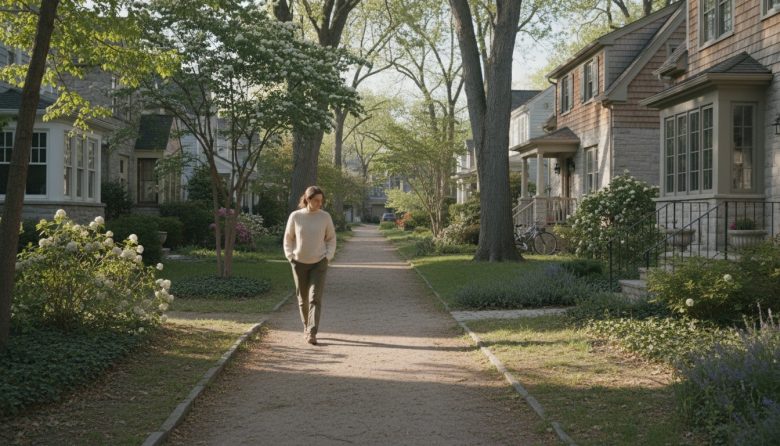
- Choose your path. Pick indoor laps around the kitchen island or a short outdoor loop—whatever fits the weather or energy. Rainy day? Pace the hallway. Keep it accessible; options make it sustainable for busy schedules.
- Breathe and notice your body. Inhale deeply as you step, exhale the fullness. Tune into lighter legs or clearing mind—it's your personal win. This mindfulness turns walks into mini resets, boosting mood effortlessly.
- End with a grateful note. Pause at your door, note one good thing: "Felt less bloated" or "Great kid chat." Jot it in a notes app for motivation. Gratitude seals the habit, making tomorrow easier.
These steps take under a minute to prep but deliver big. Folks who've tried them report smoother digestion within days. Transition smoothly to your next meal, and soon it's automatic.
For workdays, link it to easy tips to move more during work hours—those lunch walks fit perfectly. You're creating a rhythm that supports your whole day.
Make It Your Own: Fun Twists for Busy Days
Once the basics click, tweak for joy. Pop in earbuds for a favorite podcast—let stories pull you along on low-motivation evenings.
Family version: Turn it into "dinner debriefs" with kids, sharing one high and low from the day. Pets love it too—your dog's wagging tail adds instant fun.
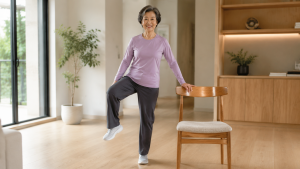
Rainy or zero-energy days? Do seated marches or gentle stretches in place—still counts as movement. It's okay to adapt; all levels welcome here.
Weekend twist: Extend to 7 minutes with music playlists. These variations keep it fresh, fitting work squeezes or family chaos seamlessly.
Stories from Folks Like Us Who Stuck With It
Take Lisa, a mom with toddlers: Post-dinner walks became their wind-down ritual. "No more bedtime battles—the kids sleep better, and I feel less frazzled," she shared.
Then there's Mike, a desk worker: Lunch strolls cleared his 3 p.m. slump. "Focus returned, and pounds snuck off without trying," he noted after a month.
Evening shifter Tom: Joined his wife for supper walks. "Our chats deepened; it's our marriage saver on hectic nights." Consistency turned tiny steps into lasting bonds.
These stories remind us: Real change comes from showing up, even imperfectly. You're part of this community now.
Small habits like these add up, lightening your load over time. What's one meal you'll try this after? Share in the comments to cheer each other on—we're in this together.
FAQs
What if I can't walk outside?
No worries at all—indoor options work beautifully. Pace your living room, hallway, or even do marching in place while watching a window view. Many find this just as effective for digestion and energy, especially on bad weather days. It's flexible for apartments or late nights.
Will this help my digestion right away?
You might notice lighter feelings within the first few tries, as movement aids stomach emptying. Full benefits build over days, with steadier blood sugar and less bloating common. Be patient—bodies love gentle consistency, and it's okay if it varies meal to meal.
How soon after eating should I start?
Aim for 5-10 minutes after your last bite—that's when your body is ready without discomfort. If you're super full, wait a tad longer. Listen to your cues; this timing works for most without upsetting tummies.
Is it okay for beginners or older folks?
Absolutely—start slower if needed, like 2 minutes, and build up. It's low-impact, joint-friendly, and adaptable for any age or fitness. Chat with a doc if you have concerns, but many grandparents and newbies thrive on it daily.
What if I forget some days?
It's totally normal—life happens, and missing a day doesn't erase progress. Just pick up next meal with kindness to yourself. Track streaks loosely for fun, not pressure; many bounce back stronger after skips.