I know what it feels like to be held hostage by a sugar craving. For years, I'd make it to 3 PM, and a voice in my head would demand chocolate - not because I was hungry, but because my blood sugar had just crashed. The thing that finally worked wasn't willpower. It was understanding whether my craving was a blood sugar problem or a dopamine problem - and treating each one differently.
Most articles tell you to drink water, eat more protein, or distract yourself. Those tips help, but they miss the deeper question: why are you craving sugar in the first place? The answer usually falls into one of two camps: a physiological blood sugar crash or a psychological dopamine loop. Once you know which one you're dealing with, you can apply targeted strategies that actually work.
The Two Hidden Drivers of Sugar Cravings
Your body has two distinct systems that can trigger a sugar craving. The first is metabolic - when your blood glucose dips too low, your brain signals an urgent need for quick energy. The second is neurological - when your brain has been trained to expect a reward from sugar, regardless of your actual energy needs. Both feel identical in the moment, but they require different interventions.
Blood Sugar Rollercoaster: The Physiological Craving
If you eat a meal high in refined carbs (like white bread, pasta, or sugary snacks) with little fiber or protein, your blood sugar spikes quickly. Your body releases a surge of insulin to bring it down, often overshooting and causing a crash about 1-2 hours later. That crash triggers hormones like adrenaline and cortisol, which create that shaky, irritable, "I need sugar now" feeling.
This type of craving is driven by biology. It's your body trying to raise blood sugar back to a safe level. The solution isn't to ignore it - it's to prevent the crash from happening in the first place.
Dopamine Loop: The Psychological Craving
The second type of craving is all about brain chemistry. Sugar activates the reward center in your brain, releasing dopamine - the same neurotransmitter involved in addiction. Over time, your brain starts to associate certain cues (like sitting on the couch after dinner, or feeling stressed at work) with that dopamine hit. The craving is a learned response, not a genuine energy deficit.
This is why you can feel a craving for ice cream even when you're completely full. Your brain is asking for the reward, not the fuel. And if you've been using artificial sweeteners, you might be making this loop worse without realizing it.
Step 1: Diagnose Your Craving Type (The 10-Question Self-Test)
Before you change anything, figure out which type of craving dominates. Answer these 10 questions honestly:
- 1. When do you crave sugar? If it's always 1-3 hours after a meal, it's likely blood sugar. If it's tied to specific situations (like watching TV or feeling bored), it's dopamine.
- 2. How intense is the craving? A blood sugar crash feels urgent - you might even feel shaky or dizzy. A dopamine craving is more like a nagging thought that you can push aside.
- 3. Does eating a handful of almonds kill the craving? If yes, you were probably hungry - blood sugar. If no, and you still want something sweet, it's dopamine.
- 4. Do you crave sugar after a high-protein meal? If you just ate steak and veggies and still want dessert, that's dopamine.
- 5. Do you use artificial sweeteners (diet soda, sugar-free gum, zero-calorie drinks)? If yes, you're likely fueling the dopamine loop.
- 6. Do you get cravings at the same time every day? Regular timing suggests a blood sugar pattern. Random timing suggests environmental triggers.
- 7. Are you eating enough overall? Undereating can cause both types, but if you're undereating carbs, your body may crave sugar for quick energy.
- 8. Do you feel tired or sleepy after meals? That's a classic sign of a blood sugar spike-and-crash.
- 9. Can you delay the craving for 30 minutes? If you can easily distract yourself, it's likely dopamine. If it feels physically unbearable, it's blood sugar.
- 10. Do you feel guilty after eating sugar? Guilt often accompanies the dopamine loop, because you know you're not actually hungry.
If you answered "blood sugar" to most questions, focus on Step 2. If you answered "dopamine," prioritize Step 3. Most people have a mix, but one is usually dominant.
Step 2: Stabilize Blood Sugar with Food Sequencing and Vinegar
If your cravings are driven by blood sugar crashes, the most effective tool isn't cutting sugar - it's changing the way you eat. Two science-backed techniques can flatten your glucose curve and keep cravings away for hours.
The Order of Your Plate Matters
Food sequencing is the practice of eating the components of your meal in a specific order: fiber first, then protein and fat, then carbohydrates last. This slows gastric emptying and reduces the post-meal glucose spike. A 2015 study in Diabetes Care found that eating vegetables and protein before carbs led to significantly lower post-meal glucose and insulin levels compared to eating carbs first.
Here's how to apply it:
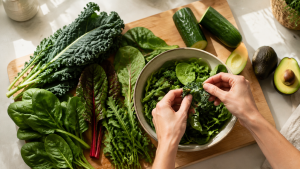
- Start with a salad or non-starchy vegetables (broccoli, spinach, bell peppers).
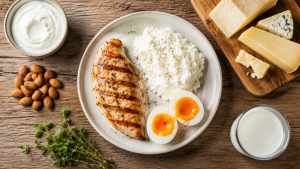
- Then eat your protein (chicken, fish, tofu, eggs) and healthy fats (avocado, olive oil).
- Finally, eat your starchy carbs (rice, potatoes, bread) or fruit.
When you eat carbs last, your body absorbs them more slowly. You'll feel fuller longer, and your blood sugar won't crash 90 minutes later. I've been doing this for two years, and it's the single most effective habit I've adopted. The key is to not skip the fiber - even if it's just a handful of baby spinach before a sandwich.
Vinegar: The Forgotten Tool
Another surprisingly effective strategy is consuming vinegar before a meal. Acetic acid (the main component of vinegar) has been shown to reduce post-meal blood glucose and insulin responses. A 2017 meta-analysis in the Journal of Diabetes Research concluded that vinegar can improve glycemic control, particularly when taken with a high-carb meal.
The simplest way is to mix 1-2 tablespoons of raw apple cider vinegar (or any vinegar) into a glass of water and drink it 10-20 minutes before eating. Start with 1 teaspoon to avoid stomach upset, then gradually increase. If you have gastroparesis or kidney issues, talk to your doctor first.
I remember the first time I tried this - I had a large bowl of pasta (my usual trigger for a 3 PM crash) and after the vinegar preload, I didn't get that sleepy, craving-filled afternoon. The difference was dramatic. It's not a magic bullet, but it's a powerful tool that most people never consider.
Protein and Fiber: The Satiety Combo
Protein and fiber are your best friends when it comes to blood sugar stability. Aim for at least 30 grams of protein at each meal and 25-35 grams of fiber per day. This combination slows digestion and keeps you full, reducing the likelihood of a crash-triggered craving.
Some easy swaps:
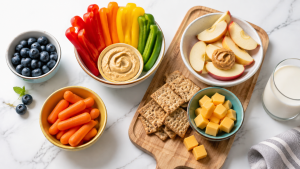
- Swap sugary yogurt for plain Greek yogurt with berries and nuts.
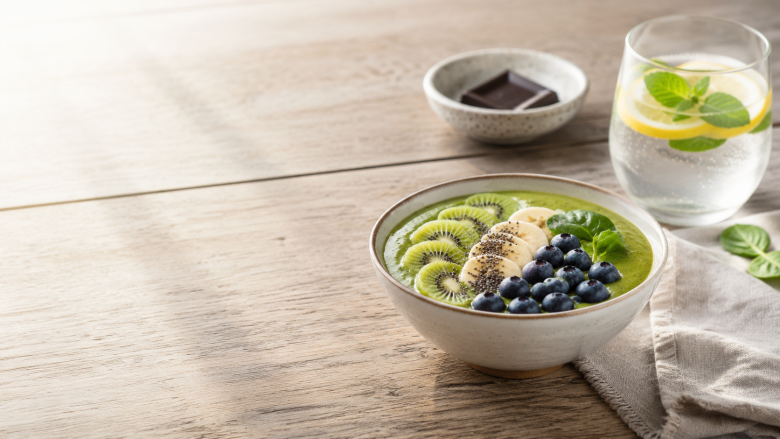
- Add chia seeds or flaxseeds to oatmeal or smoothies.
- Snack on apple slices with almond butter instead of crackers.
If you're not sure how much sugar is hiding in your favorite foods, use our sugar calculator to find out. You might be surprised - a "healthy" granola bar can contain 12 grams of added sugar, which is half your daily limit.
Step 3: Break the Dopamine Loop with a 2-Week Artificial Sweetener Reset
If your cravings are more psychological, the biggest culprit might be hiding in your diet: artificial sweeteners. Aspartame, sucralose, stevia, and monk fruit all trigger sweet taste receptors, which in turn can stimulate dopamine release - even without calories. This keeps your brain's reward system expecting sweetness, so you crave more sweet foods.
Why Artificial Sweeteners Keep the Craving Alive
When you drink diet soda or chew sugar-free gum, you're giving your brain a sweet hit without the calories. But your brain doesn't care about calories - it cares about the reward. Over time, this desensitizes your sweet receptors and makes regular fruit taste less sweet. You need more artificial sweetener to get the same hit, and your cravings for anything sweet escalate.
This is the thing nobody tells you about: artificial sweeteners are not a neutral tool for cutting sugar. They can actively perpetuate the problem. A 2021 review in the British Medical Journal found that long-term use of artificial sweeteners was associated with an increased risk of type 2 diabetes and cardiovascular disease, partly due to their effects on taste preference and the gut microbiome.
The 2-Week Reset Protocol
To break the dopamine loop, you need to re-sensitize your taste buds. Here's a simple, 14-day protocol:
- Day 1-7: Eliminate all artificial sweeteners. That includes diet soda, sugar-free gum, zero-calorie drinks, "skinny" coffee sweeteners, and even low-calorie processed snacks that contain sucralose or aspartame.
- Day 8-14: Keep eliminating them, but also reduce your overall sweetness. For example, if you usually put two packets of stevia in your coffee, go to one. If you eat fruit, choose less sweet varieties like berries or green apples.
- After day 14: Reintroduce natural sweeteners like raw honey or maple syrup in moderation, but try to keep your taste buds desensitized. You'll find that a sweet potato tastes much sweeter than before.
During the reset, expect some withdrawal. Your brain is used to the dopamine hit, so you might feel irritable or crave sugar more intensely for the first few days. That's normal. Drink plenty of water, eat high-protein snacks, and remember that the craving is a temporary chemical signal, not a genuine need.
What to Do When a Craving Hits (Urge Surfing)
Even after the reset, cravings will still come - especially when you're stressed or bored. The trick isn't to suppress them; it's to ride them out. Urge surfing is a technique from mindfulness-based cognitive therapy. It involves acknowledging the craving, noticing the sensations in your body, and letting it pass without acting on it.
Here's a 5-step process:
- Name it: Say to yourself, "This is a sugar craving."
- Locate it: Where do you feel it? In your mouth? Stomach? Head?
- Breathe: Take 10 slow, deep breaths, focusing on the sensation of the craving.
- Delay: Tell yourself you can have the treat in 15 minutes, but check in after 15 minutes.
- Distract: If it's still there, do something that requires your hands or mind - like a puzzle, a short walk, or a phone call.
Most cravings last less than 15 minutes. Urge surfing helps you ride the wave instead of getting knocked over. It's not about willpower - it's about training your brain to recognize that a craving is just a passing sensation, not a command.
The Gut Microbiome Connection (And Why It's Not Just About Willpower)
Here's something most people overlook: your gut bacteria can influence your cravings. Certain strains of bacteria, particularly those that thrive on sugar, send signals to your brain via the vagus nerve, essentially "begging" for more sugar. When you eat a diet high in sugar and artificial sweeteners, you feed these bacteria, and they multiply. The result is a biological loop that drives you toward sugar even when you don't want it.
To shift your microbiome, focus on eating prebiotic fiber (feed the good bacteria) and fermented foods (add beneficial bacteria). Good sources include garlic, onions, Jerusalem artichokes, kefir, sauerkraut, and kimchi. A 2021 study in Nature Reviews Endocrinology found that dietary fiber can modulate gut-brain signaling and reduce craving-related activity in the brain.
This isn't a quick fix - it takes weeks to change your gut flora. But as you reduce sugar and increase fiber, you'll notice that cravings become less frequent and less intense. Your microbiome is an ally you can cultivate.
Troubleshooting: When Cravings Persist (Edge Cases)
Sometimes you do everything right and cravings still linger. Here are a few edge cases to consider:
- You're not eating enough calories. Severely restricting calories naturally increases ghrelin (the hunger hormone), making sugar cravings worse. If you're losing weight too aggressively, add more healthy fats and proteins.
- You're sleep-deprived. Lack of sleep increases ghrelin and decreases leptin, making you crave high-calorie foods, including sugar. Prioritize 7-9 hours of sleep.
- You have an underlying blood sugar disorder. If you have prediabetes or insulin resistance, your glucose dysregulation may be more severe. Consider working with your doctor and possibly using a continuous glucose monitor to see how specific foods affect you.
- You're stressed. Chronic stress raises cortisol, which can trigger cravings for sugar to help your body manage the stress. Incorporate stress-reduction practices like meditation, journaling, or regular exercise.
- You're eating too many "healthy" sweet foods. Dates, honey, and maple syrup still spike blood sugar. If you're consuming them in large amounts, they can maintain the craving cycle. Use them sparingly.
If you're still stuck, try a more structured approach. Our article on quick tips for cutting sugar without cravings offers additional strategies, but keep in mind that the root-cause approach is more sustainable in the long run.
The Bottom Line: A Sustainable Approach
Reducing sugar cravings isn't about willpower - it's about understanding the biology and psychology behind them. Start by diagnosing your craving type. If it's blood sugar, use food sequencing and vinegar. If it's dopamine, cut out artificial sweeteners for two weeks and practice urge surfing. And in every case, support your gut microbiome with fiber and fermented foods.
Remember that cravings are not a moral failing. They're a signal from your body or brain. When you address the underlying cause, the cravings fade naturally. You'll find yourself reaching for fruit instead of cookies - not because you're forcing yourself, but because you genuinely want it.
The journey takes time. I still get the occasional 3 PM urge, but now I know it's my blood sugar dipping because I skipped lunch. I drink a glass of water, eat a handful of almonds, and the craving passes. The difference is that I'm no longer at the mercy of my biology. And neither are you.