Why Your Previous Attempts Failed (And What Actually Works)
You don't need another green smoothie recipe or a kale chip tutorial. If you're like most people, your problem isn't a lack of ideas - it's that the ideas require too much effort, time, or willpower. The real answer to eating more greens daily is to stop treating it as a cooking challenge and start treating it as a habit design problem.
When I first decided to eat more greens, I made every mistake in the book. I bought a huge bag of fresh spinach, planned to make a salad every day, and then watched that spinach turn into a slimy mess by day three. I felt like a failure. But the issue wasn't my commitment - it was my approach. I was trying to overhaul my entire diet overnight instead of making one tiny, sustainable change.
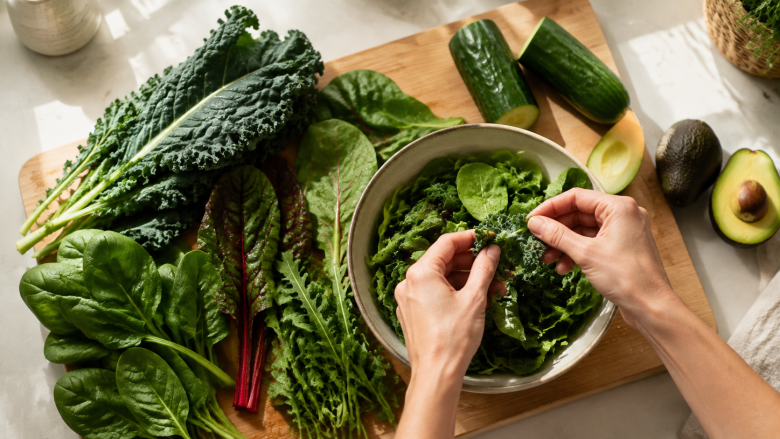
What actually works is the "Handful Rule": every time you prepare a meal, add one handful of greens to it. No new recipes, no complicated prep - just add a handful of spinach, arugula, or chopped kale to whatever you're already cooking. This works because it's so small it feels negligible, but over a week, you've added 7 handfuls of greens to your diet without any extra effort. In this guide, I'll show you exactly how to build on this principle with a 7-day progressive plan, from habit stacking and digestive comfort to budget-friendly frozen options and no-cook strategies.
The 7-Day Progressive Plan to Eat More Greens Daily
This is a concrete, day-by-day plan designed to build your greens intake gradually. The goal is consistency over perfection - you're not going from zero to five servings overnight. You're slowly increasing your fiber intake, which is crucial for your gut to adapt without bloating or discomfort.
Day 1: Add One Handful to Your Largest Meal
Choose the meal you eat the most of - likely lunch or dinner. Add one handful of baby spinach or arugula to whatever you're already eating. For example, if you're having pasta, toss the greens into the sauce at the end. If you're having a sandwich, add a handful of lettuce or sprouts. If you're having a stir-fry, throw in a handful of kale at the end. The key is to not change anything else about the meal. This makes the change feel nearly invisible.
Day 2: Add Greens to Your Breakfast
Now that you've added to one meal, add to another. Breakfast is a great place because it's often overlooked. Add a handful of spinach to your eggs, or blend a handful of kale into your morning smoothie if you already have one. If you don't eat breakfast, then skip this and add to a snack instead. The point is to find a second meal where greens fit naturally.
Day 3: Double Your Handful at One Meal
By day three, you're comfortable with one handful. Now, at your largest meal, add two handfuls. This helps you get used to a larger volume. You might notice you're a bit fuller, but that's okay. Your stomach will adapt quickly. If you feel overwhelmed, you can always go back to one handful for a day - there's no race.
Day 4: Add Greens to a Snack
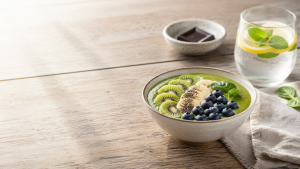
If you snack, add a handful of greens to a snack. For example, add spinach to a yogurt dip, or have a few raw sugar snap peas (not exactly greens, but you get the idea). Or make a simple green smoothie with just greens and fruit - no recipe, just throw in a banana, some frozen spinach, and water. You don't need a fancy blender; a regular one works fine.
Day 5: Replace One Side Dish with a Green
Instead of adding greens to a dish, replace a side like fries or chips with a simple side of sauteed greens or a small salad. This is the first time you're making a substitution, but keep it simple: buy pre-washed greens, add a drizzle of olive oil and lemon juice, and you're done. If you're not a fan of raw greens, quickly saute them with garlic and a little salt - it takes less than two minutes.
Day 6: Add Greens to Both Lunch and Dinner
Now you're ready to add to two meals. At this point, you should be comfortable with the taste and your digestion should be adjusting. If you feel bloated, go back to one meal and drink more water. The key is to listen to your body. I remember when I hit this day, I felt a little gassy, but I knew that was normal - it just meant my gut bacteria were doing their job.
Day 7: Aim for Greens at Every Meal
By the end of the week, aim to have greens at every meal, even if it's just a small handful. Remember, this is not about perfection - it's about building the habit. If you miss a meal, don't beat yourself up. Just re-engage the next day. The beauty of this plan is that it's flexible and forgiving. You're not trying to win a prize; you're trying to create a sustainable routine.
This plan works because it's gradual. You're not shocking your system with a sudden influx of fiber. Instead, you're giving your digestive tract time to adjust. And you're also giving your taste buds a chance to adapt - which brings us to the next crucial point.
Digestive Comfort: How to Increase Fiber Without Bloating
One of the biggest reasons people give up on eating more greens is that they experience bloating and gas. This is because greens are high in fiber, and your gut bacteria need time to adjust. If you go from 0 to 5 servings a day, your body will rebel. I learned this the hard way when I first tried to eat a giant salad every day - I was bloated for a week.
Here's the practical advice: increase fiber gradually, drink plenty of water, and cook your greens. Cooking breaks down some of the fiber and reduces the volume, making them easier to digest. If you're sensitive, start with cooked greens like sauteed spinach or steamed kale before raw ones. Also, chew your greens thoroughly - this mechanically breaks down the fiber and makes it easier for your gut to handle.
Another pro tip: pair your greens with foods that aid digestion. For example, adding a squeeze of lemon or a splash of apple cider vinegar can help stimulate digestive juices. And don't forget to stay hydrated - fiber needs water to move through your system. If you feel bloated, it might be because you're not drinking enough.
For more on mindful eating and digestion, check out our guide on how to eat slower for better digestion. Eating slowly is part of the solution - it gives your body time to signal fullness and reduces overeating, which can exacerbate bloating.
Remember: the goal is to feel good, not to force yourself into discomfort. If you experience pain or severe bloating, reduce the amount and consult a healthcare professional. But for most people, a gradual increase works beautifully.
Frozen vs. Fresh: The Budget-Friendly Way to Eat More Greens
Many people think fresh greens are superior, but that's not always the case. Frozen greens are picked at peak ripeness and flash-frozen, which locks in nutrients. In some cases, frozen spinach has more vitamin C than fresh spinach that's been sitting in the fridge for a week. And the price is often lower - a bag of frozen spinach can cost half as much as the same weight of fresh.
If you're on a budget, frozen greens are your best friend. They're also incredibly convenient because they don't spoil quickly. You can keep a bag in the freezer and add a handful to soups, sauces, and smoothies without any prep. This is the ultimate low-friction option. I always have a bag of frozen kale in my freezer for those days when I have no energy to cook but still want a nutrient boost.
Fresh greens have their place, especially for salads and garnishes. But for cooking, frozen is just as good and often better in terms of cost and longevity. Here's what I do: I buy frozen chopped spinach and kale in bulk, and I use them for cooking. I buy fresh arugula or baby spinach for raw consumption, but only in small quantities that I know I'll use within a few days.
To reduce waste with fresh greens, store them properly: wrap them in a paper towel and put them in a plastic bag or container. This keeps them crisp for up to a week. Or, if you see them starting to wilt, saute them immediately and freeze the cooked greens for later. That's a trick I learned from my grandmother - never let greens go to waste. This is especially important if you're trying to eat more greens on a budget, because wasting food is wasting money.
No-Cook, No-Recipe Ways to Add Greens to Every Meal
If you hate cooking, or you just don't have time, there are plenty of ways to eat more greens that don't require a stove. These are my go-to methods, and they've helped countless clients who thought they could never eat enough greens because they lived on takeout or microwave meals.
- Sandwiches and wraps: Add a handful of arugula, spinach, or shredded kale to any sandwich. It adds crunch and doesn't change the flavor much. Even a simple turkey sandwich becomes a vehicle for greens.
- Smoothies: A handful of frozen spinach or kale disappears into any fruit smoothie. You won't taste it, and it's a great way to get a serving in without any effort. I recommend keeping a bag of frozen spinach for this exact purpose.
- Dips and spreads: Stir finely chopped greens into hummus, yogurt dip, or guacamole. The greens add color and nutrients without altering the taste. This works especially well if you're a snacker - you're adding greens to something you're already eating.
- Salads without a recipe: Buy a bag of pre-washed salad mix, add some protein (like canned beans or a hard-boiled egg), and a simple dressing of olive oil and lemon juice. No need to follow a recipe. This is the ultimate lazy-person salad, and it takes two minutes to assemble.
- Directly as a snack: If you like the taste, just eat raw spinach or kale leaves like chips. A handful of baby kale is actually pretty tasty - I've converted a few skeptics. You can also dip them in hummus or a vinaigrette for extra flavor.
The key is to keep it simple. You don't need to make a gourmet salad or a complicated green dish. Just add greens to what you're already eating. For more ideas on adding veggies to each meal, see our article on how to eat one extra veggie serving each meal - that guide is a perfect complement to this one. It goes into more detail on the "one extra serving" mindset, which is exactly what you're doing with greens.
Habit Design: Making Greens the Default Choice
Habits are formed through cues, routines, and rewards. To eat more greens consistently, you need to create a system that makes it easy. Here are some strategies I've used with my clients and myself. These aren't just theoretical - they come from years of trial and error.
- Placement: Put greens in a visible spot in your fridge, like eye-level on the top shelf. If it's out of sight, it's out of mind. I used to keep my spinach in the crisper drawer, and I always forgot about it. Now I keep a container of fresh arugula on the top shelf, and I reach for it multiple times a day.
- Pre-portioning: Divide a large bag of greens into individual containers or bags. Then, when you're making a meal, you just grab one portion. This removes the decision-making process and the friction of having to measure out greens.
- Habit stacking: Attach eating greens to an existing habit. For example, "After I make my morning coffee, I'll add a handful of spinach to my eggs." Or "Before I watch my evening show, I'll prepare a small salad." This is a classic behavior change technique that works because you're piggybacking on an already established routine.
- Pairing with flavors you love: If you don't like the taste of greens, pair them with something strong like garlic, ginger, or a tangy sauce. This helps mask the bitterness and creates a positive association. I've found that a squeeze of lemon and a pinch of salt can transform the taste of any green.
- Reward yourself: After a week of hitting your goal, treat yourself to something you enjoy - not food necessarily, but maybe an extra episode of your favorite show or a new book. This reinforces the behavior and makes it more likely you'll continue.
One insight most people don't realize: taste adaptation is real. Your taste buds change over time. The first time you eat a bitter green like kale, it might be unpleasant. But after repeated exposure - say, 10 to 15 times - you'll start to crave it. This is because your brain learns to associate the food with the positive feeling of eating well. So don't give up after one bad experience. Give it a few weeks.
I remember when I first tried arugula, I thought it tasted like pepper and soap. But I kept adding it to my sandwiches because it was in the salad mix I bought. After a month, I genuinely enjoyed it. Now, I eat arugula every day. So be patient with yourself. Your palate is more adaptable than you think.
The "Half Your Plate" Visual Framework
If you prefer a visual guide, here's a simple framework: aim to fill half your plate with vegetables, and of those vegetables, make at least half of them leafy greens. That's a lot, but you can work up to it. This aligns with the USDA's MyPlate recommendations, which suggest that half your plate should be fruits and vegetables. Leafy greens are a key part of this because they're packed with vitamins A, C, and K, as well as fiber and antioxidants.
But let's be realistic: if you're not used to eating many greens, half your plate might be overwhelming. That's why I recommend starting with the Handful Rule and gradually increasing the proportion. By the end of a month, you might be at half a plate without even thinking about it. The beauty of this framework is that it's flexible. You don't need to measure exactly - just eyeball it. As you get more comfortable, you'll naturally increase your intake.
To put this into practice, think of your plate as having four quadrants: one for protein, one for complex carbs, and two for vegetables. Of those two veggie quadrants, aim to make at least one of them greens. Over time, you can shift to both quadrants being greens. This is a simple mental model that takes the guesswork out of meal planning.
Budget and Access: Eating More Greens on a Shoestring
Greens can be expensive, especially if you're buying fresh organic varieties. But there are ways to eat more without breaking the bank. Let's break down the most cost-effective strategies.
- Frozen greens: As mentioned, frozen spinach and kale are often cheaper and just as nutritious. They're available in most grocery stores, and sometimes you can find them on sale. I've seen 16-ounce bags of frozen spinach for under $2, which is a fraction of the cost of fresh.
- Seasonal buying: In summer, greens like lettuce and spinach are abundant and cheaper. In winter, hardier greens like kale and collards are often more affordable. Buy what's in season. You can check your local farmers market or grocery store flyers for deals.
- Buy in bulk: If you have a freezer, buy large bags of frozen greens and portion them out. Or buy fresh greens in bulk and cook them down - they shrink a lot, so you can get many servings from one bunch. For example, a bunch of kale might seem large, but after sauteing, it reduces to about a cup.
- Grow your own: If you have a windowsill or a small balcony, you can grow microgreens or baby lettuce. It's surprisingly easy and cost-effective. You can also grow herbs, but that's a different topic. Microgreens are nutrient-dense and can be harvested in just a week or two.
- Consider canned greens: While not as common, canned spinach and collard greens are available and very cheap. They're already cooked, so you just need to heat them up. The downside is they can be high in sodium, but you can rinse them to reduce that. I keep a can of collard greens in my pantry for emergencies.
Most people don't realize that frozen greens are often more nutritious than fresh because they're processed within hours of being harvested. So don't feel guilty about using frozen - you're actually making a smart choice. And if you're on a tight budget, frozen greens are a game-changer.
Overcoming Taste Aversion: A Practical Approach
If you genuinely dislike the taste of greens, you're not alone. Some people have a genetic sensitivity to bitter compounds, which makes certain greens taste extremely unpleasant. But even if that's the case, you can still eat greens by masking the flavor or choosing milder varieties.
Milder greens include baby spinach, butterhead lettuce, and arugula (though arugula has a bite). Stronger greens like kale, collard greens, and mustard greens are more bitter. If you're sensitive, start with baby spinach or romaine lettuce, which are relatively neutral. You can also try mixing bitter greens with milder ones in a salad or dish.
Another trick: cook the greens. Cooking reduces bitterness and makes the leaves softer and sweeter. Sauteed spinach with garlic and a little lemon juice is a far cry from raw spinach. If you're cooking from frozen, it's even easier - just toss the frozen spinach into a hot pan with olive oil and seasonings. The heat transforms the flavor completely.
Also, consider blending greens into smoothies with sweet fruits like banana and mango. The sweetness masks the bitterness entirely. I've had clients who swore they couldn't eat greens, but they loved green smoothies. The key is to use a ripe banana - it makes the smoothie creamy and sweet.
Remember, it's okay to not like every green. Find the ones you enjoy and stick with them. The goal is to eat more greens, not to force yourself to eat kale if you hate it. There are dozens of varieties out there, so you're bound to find a few that work for you.
Putting It All Together: Your Action Plan
Here's a summary of the steps to eat more greens daily without trying harder. This isn't a rigid system - it's a flexible framework that you can adapt to your life.
- Start with the Handful Rule: add one handful of greens to one meal today.
- Follow the 7-day progressive plan to gradually increase to every meal.
- Use frozen greens for convenience and cost.
- Focus on habit design: place greens where you can see them, stack them with existing habits, and reward yourself.
- Be patient with your taste buds - they will adapt over time.
- Increase fiber gradually and drink water to avoid bloating.
This is not about perfection. Some days you'll eat more, some days less. The key is consistency over the long term. Even a handful a day makes a difference. The USDA recommends 2-3 cups of vegetables per day, and leafy greens count toward that. So every bit helps.
I've been eating greens daily for years now, and it's become second nature. I don't even think about it - it's just part of my routine. And I didn't get here by willpower alone. I got here by designing my environment and building habits. You can do the same. The most important step is to start today, even if it's just one handful of spinach in your lunch.
For more on building daily habits, check out our guide on daily 10-minute movement routine at home - it's the same principle: small, consistent actions lead to big results. And if you're looking to make other healthy swaps, our article on swapping soda for infused water might be your next read.
Key takeaway: Eating more greens isn't about willpower - it's about making greens the path of least resistance. Start with one handful, build gradually, and let your taste buds and gut adjust. Consistency beats perfection every time.
Now, go grab a handful of greens and add it to your next meal. You've got this.